


Aesthetic Plastic Surgeon Mohali, Panchkula, Jammu & Kashmir
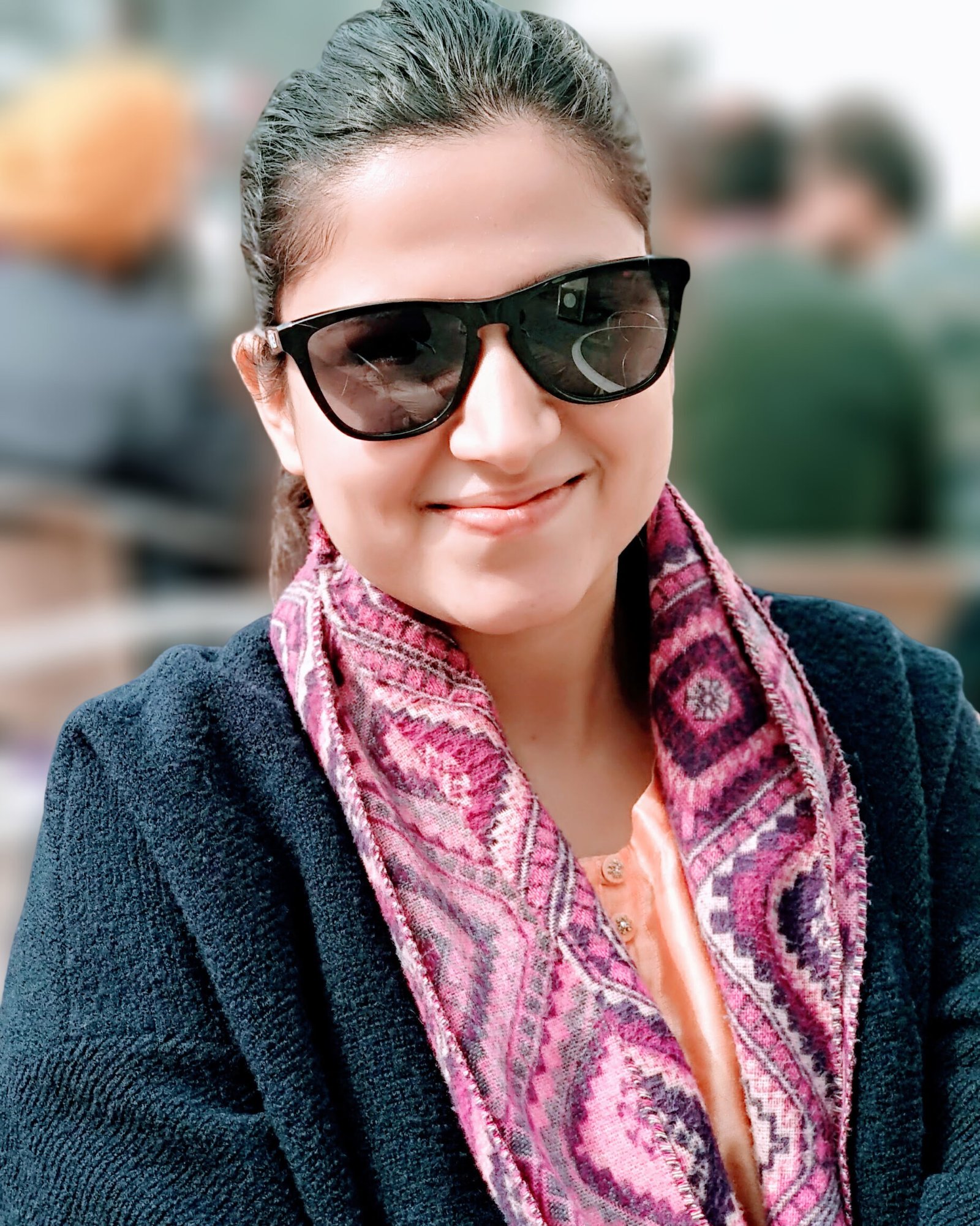
Aesthetic Plastic Surgeon Mohali, Panchkula, Jammu & Kashmir services by Dr Sonika Arora include advanced cosmetic, reconstructive and aesthetic surgery treatments with personalized patient care and natural-looking results.
We specialize in a wide range of cosmetic and reconstructive procedures including rhinoplasty, tummy tuck surgery, liposuction, facelift surgery, breast surgery, laser hair removal, hair transplant, gynecomastia surgery, diabetic foot treatment, trauma reconstruction and oncoplastic surgery. Every treatment is planned carefully to enhance appearance, improve confidence and restore functionality using advanced medical technologies.
Advanced Treatments by Aesthetic Plastic Surgeon Mohali, Panchkula, Jammu & Kashmir
Dr Sonika Arora is an experienced aesthetic plastic surgeon Mohali specialist providing rhinoplasty surgery, tummy tuck surgery, liposuction, facelift surgery, breast surgery, gynecomastia surgery, laser hair removal, hair transplant and reconstructive surgery procedures for patients from Mohali, Panchkula, Jammu & Kashmir.
Advanced Cosmetic & Reconstructive Surgery Treatments
As a leading aesthetic plastic surgeon in Mohali and Panchkula, Dr Sonika Arora focuses on delivering comprehensive surgical and non-surgical aesthetic treatments for both men and women. Patients from Chandigarh, Jammu and Kashmir also visit for specialized procedures performed with precision, safety and compassionate care.
- Rhinoplasty Surgery
- Tummy Tuck Surgery
- Liposuction & Body Contouring
- Breast Augmentation & Reduction
- Gynecomastia Surgery
- Facelift Surgery
- Blepharoplasty (Eye Bag Surgery)
- Hair Transplant
- Laser Hair Removal
- Botox & Fillers
- Oncoplastic Surgery
- Diabetic Foot Treatment
Why Choose Dr Sonika Arora?
Dr Sonika Arora is known for providing ethical treatment recommendations, advanced surgical expertise and personalized aesthetic care. Our clinic is committed to maintaining high standards of patient safety, confidentiality and satisfaction while delivering natural and aesthetically pleasing outcomes.
If you are searching for an aesthetic plastic surgeon in Mohali, aesthetic plastic surgeon in Panchkula, aesthetic plastic surgeon in Jammu or aesthetic plastic surgeon in Kashmir, Dr Sonika Arora offers advanced solutions designed to help patients look and feel their best with confidence.
Patients searching for Aesthetic Plastic Surgeon Mohali, Panchkula, Jammu & Kashmir services trust Dr Sonika Arora for advanced cosmetic and reconstructive surgery treatments.
Aesthetic Plastic Surgeon Mohali, Panchkula, Jammu & Kashmir treatments are available with advanced surgical care and personalized consultation by Dr Sonika Arora.
Aesthetic Plastic Surgeon Panchkula
Patients looking for aesthetic plastic surgeon Panchkula services choose Dr Sonika Arora for advanced cosmetic surgery, rhinoplasty, facelift, tummy tuck, liposuction and reconstructive surgery procedures with personalized patient care.
Aesthetic Plastic Surgeon Jammu
Dr Sonika Arora provides aesthetic plastic surgeon Jammu treatment solutions for patients seeking modern cosmetic and reconstructive surgery procedures with safe and natural-looking results.
Aesthetic Plastic Surgeon Kashmir
Patients searching for aesthetic plastic surgeon Kashmir services trust Dr Sonika Arora for advanced aesthetic procedures including breast surgery, body contouring, hair transplant and facial cosmetic surgery treatments.
Aesthetic Plastic Surgeon Chandigarh
Patients searching for aesthetic plastic surgeon Chandigarh services trust Dr Sonika Arora for advanced cosmetic, reconstructive and aesthetic surgery treatments including rhinoplasty, facelift surgery, liposuction, tummy tuck and breast surgery procedures with personalized patient care.
Aesthetic plastic surgeon Chandigarh treatments are available for patients seeking advanced cosmetic and reconstructive surgery solutions with modern surgical expertise and natural-looking results.
Best Plastic Surgeon in ChandigarhAbout DR. Sonika Arora
- Consultant – Plastic Surgery
Education:-
- Bachelor of Medicine and Bachelor of Surgery
West Bengal University of Health Sciences
2007–2012 - Master of Surgery (Gold Medal)
Baba Farid University of Health Sciences, Faridkot, Punjab
2014–2017 - Master of Chirurgiae (Gold Medal)
Atal Bihari Vajpayee Institute of Medical Sciences & Dr. Ram Manohar Lohia Hospital, New Delhi
2017–2020
Experience:-
- Consultant Plastic Surgery
Sohana Hospital, Mohali
2024–Present - Consultant Plastic Surgery
Cheema Hospital, Mohali
2021–2023 - Associate Consultant Plastic Surgery
BLK Hospital, New Delhi
2020–2021 - Senior Resident
RML Hospital, New Delhi
2017–2020
Our Expertise
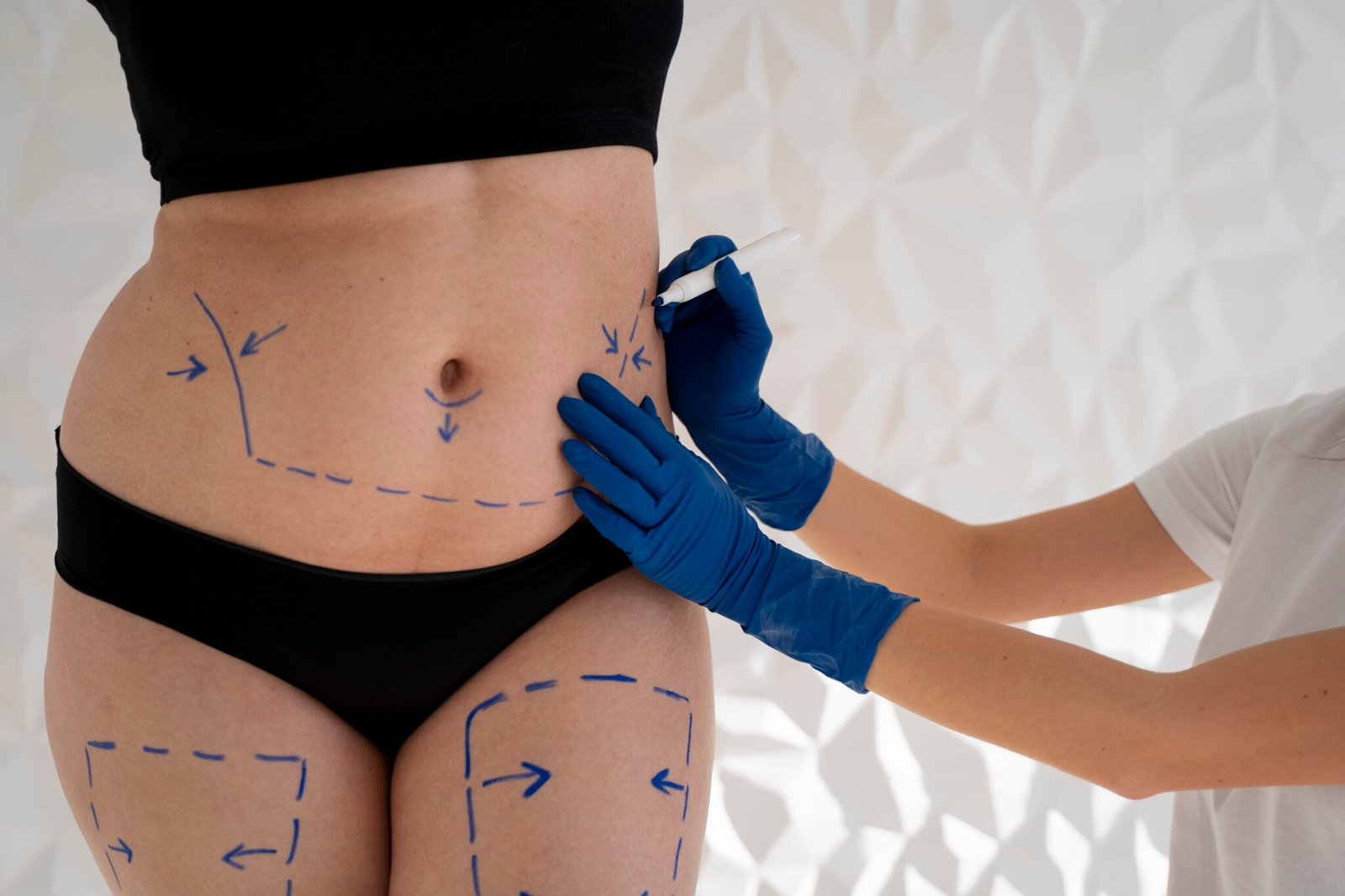
Aesthetics
These surgeries are aimed primarily at appropriately addressing the irregularities of structure within one’s body that is not allowing you to integrate.

Trauma
Trauma that leads to destruction of normal architecture of face, hands, and loss of soft tissue comes in my professional perview.
In trauma, my aim is to cover wounds, get bruised muscles, tendons, bones into their normal state, repair vessels and nerves as quickly as possible.
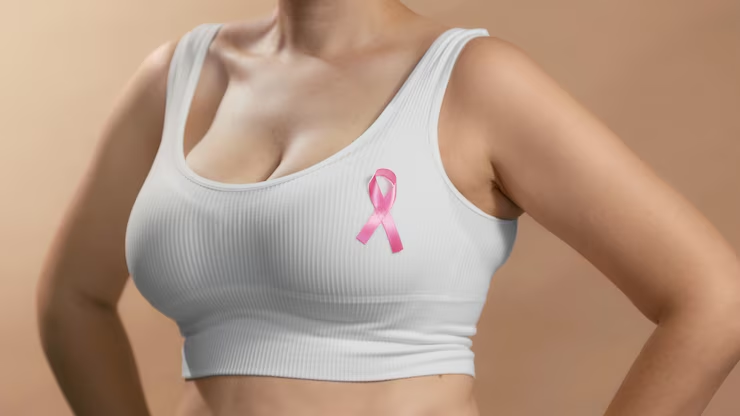
Cancer
The aim of cancer reconstruction is to give cover so that patient can undergo further treatment (radiation and chemotherapy) with minimal reaching as near non-obstructive as possible. The treatment has also to take into account other diseases.
Why Choose Us
We believe that expert care goes beyond just procedures. We offer a personalized, compassionate, and medically advanced approach that prioritizes your well-being, appearance, and confidence. Here’s why patients trust us:
01. Advanced Surgical Expertise
Highly advanced cosmetic and reconstructive procedures performed with precision, safety and modern surgical techniques.
02. Personalized Patient Car
Every treatment plan is customized according to the patient’s goals, comfort, recovery and natural aesthetic outcomes.
03. Trusted Aesthetic Solutions
Providing safe, ethical and result-oriented aesthetic plastic surgery treatments for patients across Mohali, Panchkula, Jammu & Kashmir.
What Our Patients Say
Dr. Sonika's expertise and caring approach made my rhinoplasty experience exceptional. The results exceeded my expectations, and I couldn't be happier with my decision.


Our Work Galley
Our Blogs
Breast reconstruction surgery in Jammu services by Dr. Sonika Arora include advanced reconstructive breast procedures and personalized treatment planning designed according to individual treatment requirements…
Breast plastic surgery in Mohali services by Dr. Sonika Arora include advanced breast enhancement, reconstruction and personalized treatment planning designed according to individual appearance goals…
Breast reconstruction surgery in Chandigarh services by Dr. Sonika Arora include advanced breast reconstruction procedures and personalized treatment planning designed according to individual treatment requirements…
Contact Us
Schedule an appointment or reach out with any questions about our pediatric services.
Book an Appointment
Clinic Information
Location
Sohana Hospital , SAS Nagar , Sector 77 , Mohali, Punjab (160104), India.
Phone Number
(+91 ) 6284287478
sonikajha29@gmail.com